Top Myths About Blackberry Picking Debunked


Myth 1: All Blackberries are the Same
One of the most common myths about blackberry picking is that all blackberries are identical. In reality, there are several species and varieties, each with distinct flavors and characteristics. Some are sweeter, while others have a tart kick. Understanding these differences can enhance your berry-picking and culinary experiences.

Understanding Different Varieties
Blackberries can be divided into categories such as trailing, erect, and semi-erect. Each type has its growing conditions and fruiting habits. For instance, trailing blackberries often require more space, whereas erect varieties are more compact.
Myth 2: Wild Blackberries are Unsafe to Eat
Another prevalent myth is that wild blackberries are unsafe for consumption. While it is true that some wild berries can be harmful, blackberries are generally safe. It's essential, however, to ensure they are not growing near polluted areas, like highways, where they can absorb toxins.
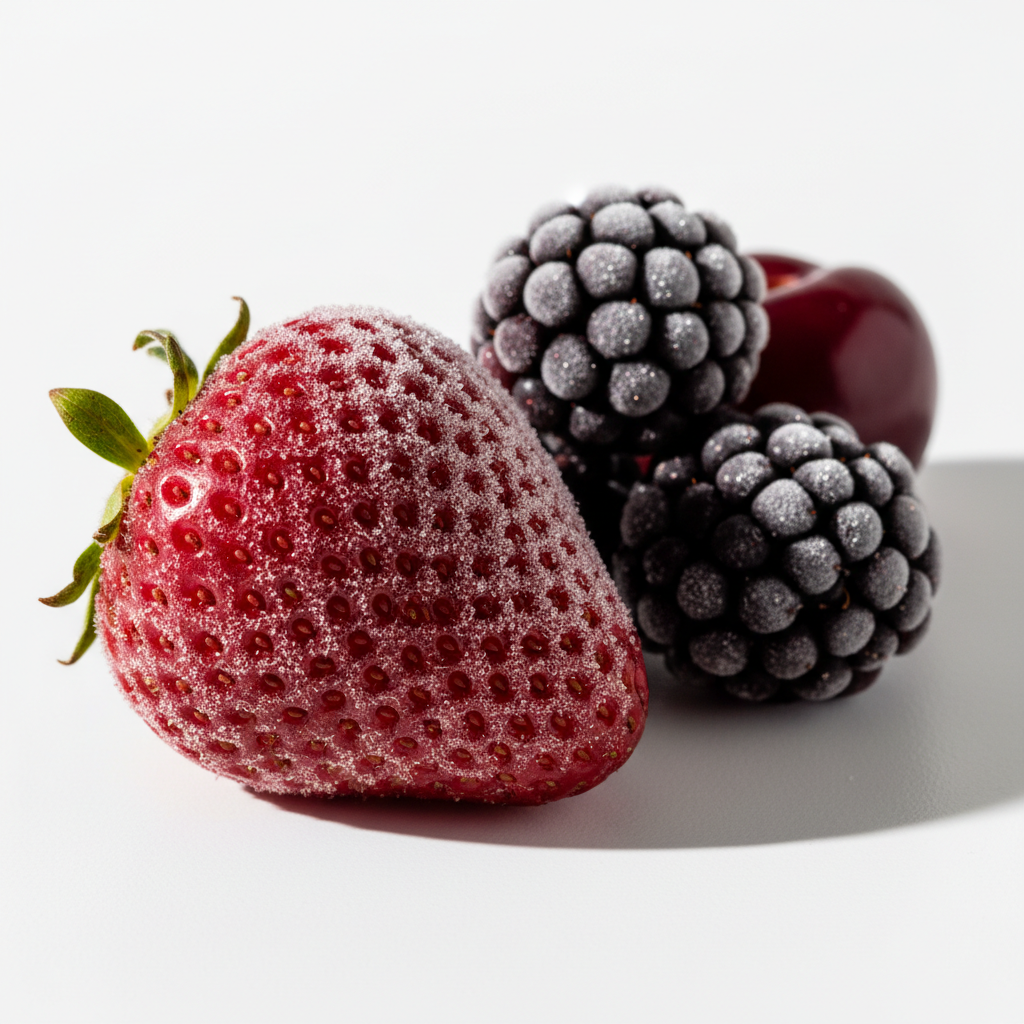
Safety Tips for Picking Wild Blackberries
When foraging for wild blackberries, it's wise to wash them thoroughly before eating. Avoid areas treated with pesticides, and be cautious of thorny bushes that could cause injury during picking.
Myth 3: Blackberries Ripen After Picking
A common misconception is that blackberries continue to ripen once picked. Unlike some fruits, blackberries do not ripen after being harvested. They must be picked when fully ripe to enjoy their best flavor.
Identifying Ripe Blackberries
Ripe blackberries are deep black, plump, and come off the stem easily. If they are red or purple, they need more time to ripen on the plant. Timing is crucial for a successful harvest.
Myth 4: Picking Blackberries Depletes the Plant
Some people believe that picking blackberries harms the plant and reduces future yields. In truth, regular picking encourages more fruit production. It helps the plant focus its energy on producing new berries rather than supporting overripe ones.
Best Practices for Sustainable Harvesting
To promote healthy growth, ensure you pick berries gently and avoid damaging the plant. Regularly harvesting ripe berries encourages a more abundant yield in the following season.
Myth 5: Blackberries Have Limited Uses
It’s often assumed that blackberries can only be used in desserts, but their culinary uses are vast. From jams and jellies to salads and sauces, blackberries can enhance a wide array of dishes.

Culinary Adventures with Blackberries
Experiment with blackberries in savory dishes, cocktails, or as a topping on breakfast cereals. Their versatility makes them a favorite in kitchens worldwide, offering endless possibilities for creative recipes.