The Sweet Secrets of Honey Production at The Grange


The Journey of Honey from Hive to Jar
Honey, often referred to as "liquid gold," is a natural sweetener with a rich history and a myriad of uses. At The Grange, the process of honey production is a fascinating journey that combines nature's wonders with human expertise. Let's delve into the sweet secrets behind this golden delight.
The Role of Bees in Honey Production
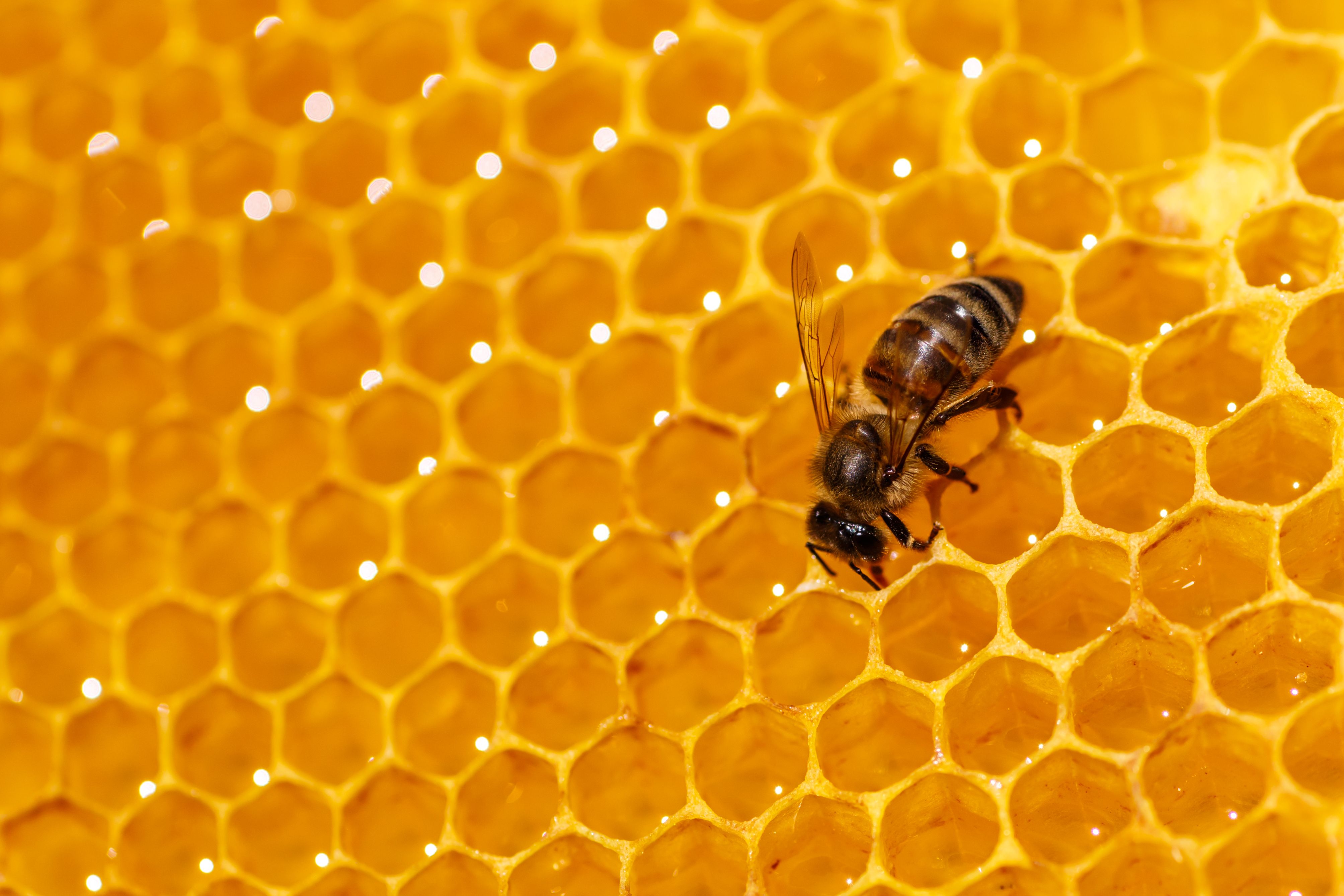
The journey begins with the bees. These industrious insects are the heart of honey production, tirelessly collecting nectar from flowers and converting it into honey. A single bee can visit up to 100 flowers in one trip, showcasing their incredible dedication. The nectar collected is stored in the bee's "honey stomach," where enzymes begin the transformation process.
Once back at the hive, the nectar is passed from bee to bee, each adding more enzymes, until it is deposited into the honeycomb. Here, the bees fan the nectar with their wings, reducing its moisture content and thickening it into honey. This process highlights the incredible teamwork and precision of bee colonies.
Harvesting Honey at The Grange
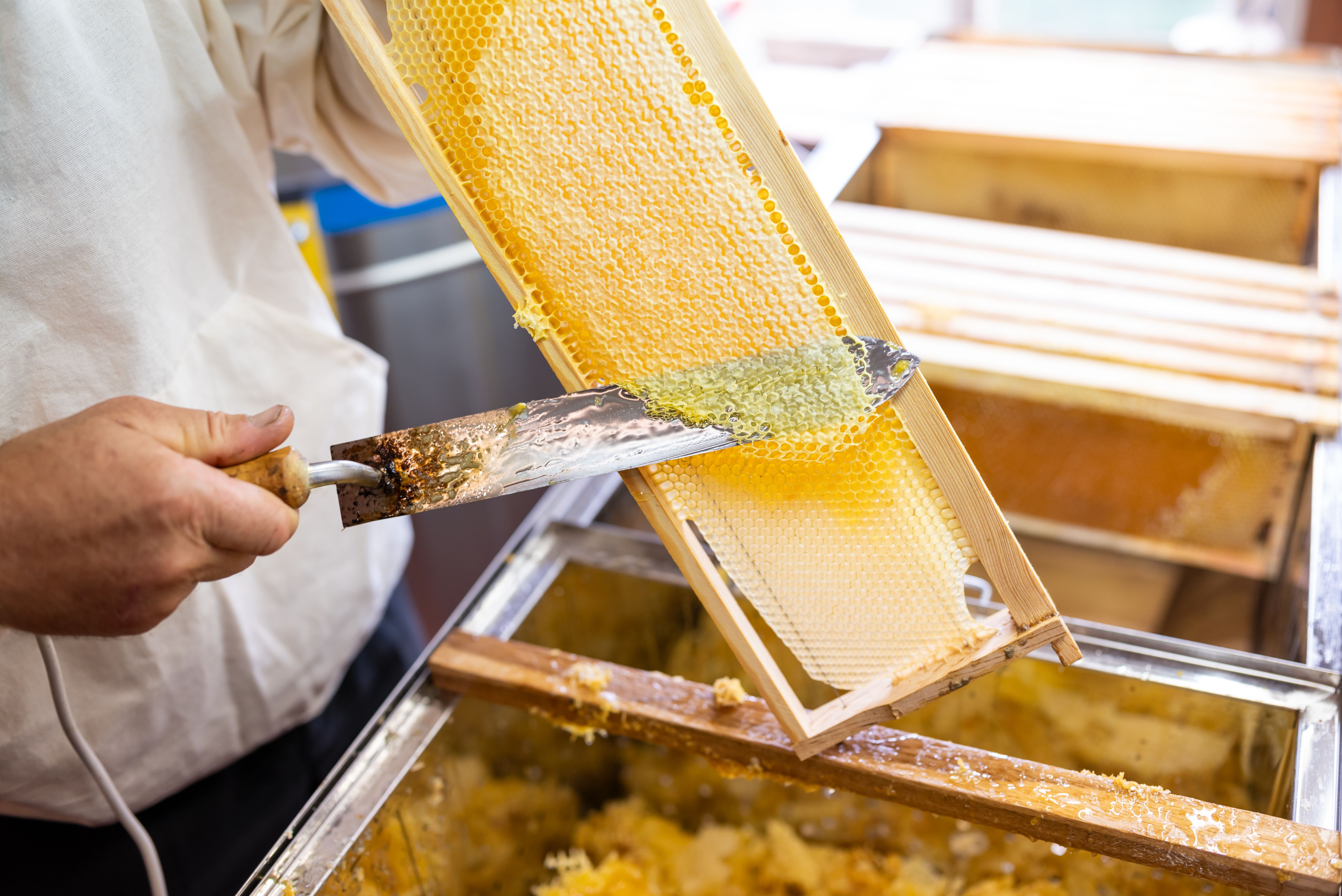
At The Grange, harvesting honey is conducted with care and respect for the bees. The process begins by carefully removing the frames from the hives. This is done using a smoker to calm the bees, ensuring both their safety and that of the beekeepers. The frames are then taken to the extraction room, where the real magic happens.
The honey is extracted using centrifugal force. The frames are placed in an extractor, and as it spins, the honey is drawn out of the comb. This method ensures that the honey retains its natural flavors and nutrients, providing a pure and delicious product.
Quality Control and Bottling
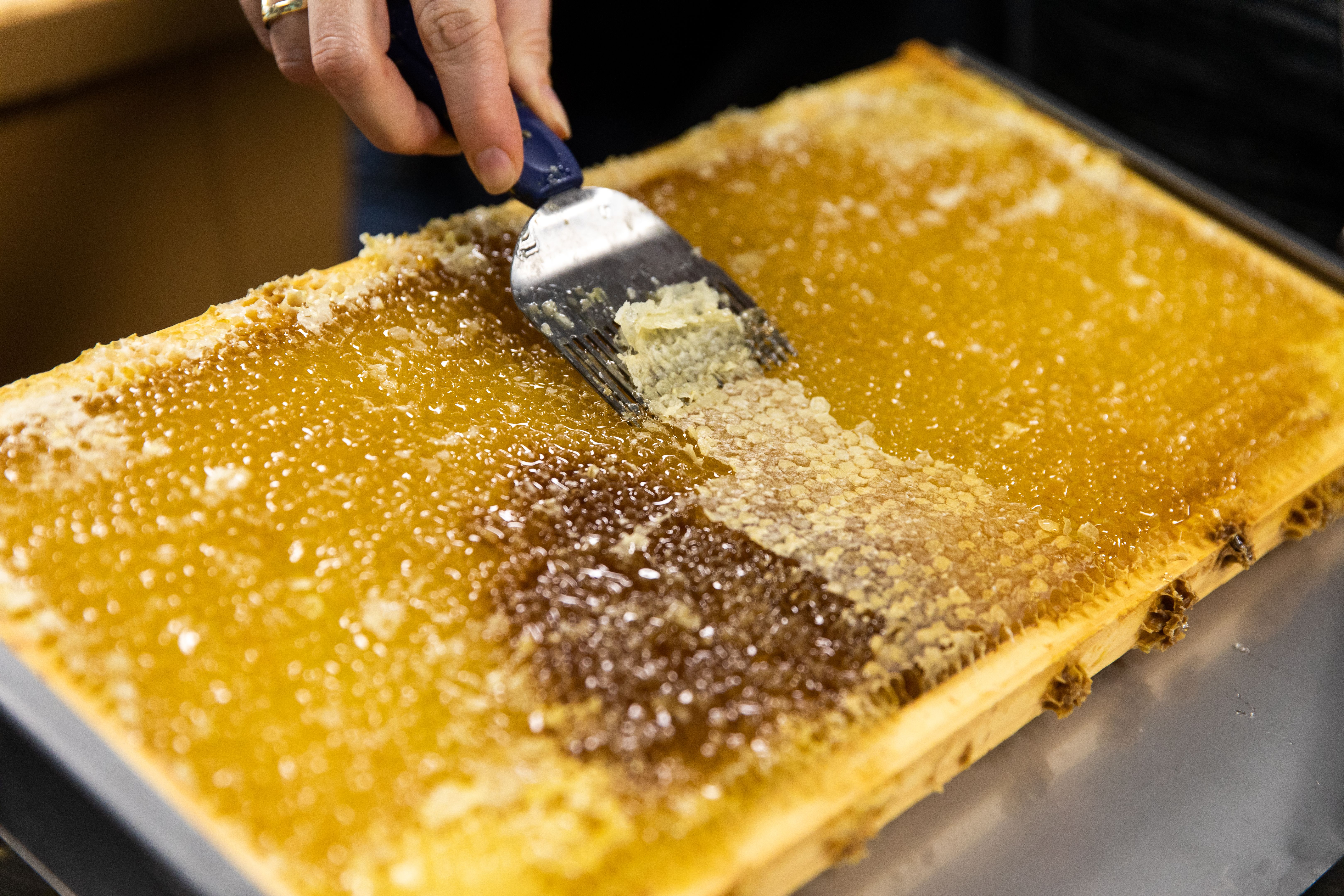
Once extracted, the honey is filtered to remove any impurities, such as wax or bee parts, ensuring a smooth and pristine product. At The Grange, quality control is paramount. Each batch is tested for taste, consistency, and purity, guaranteeing that only the finest honey makes it to the jar.
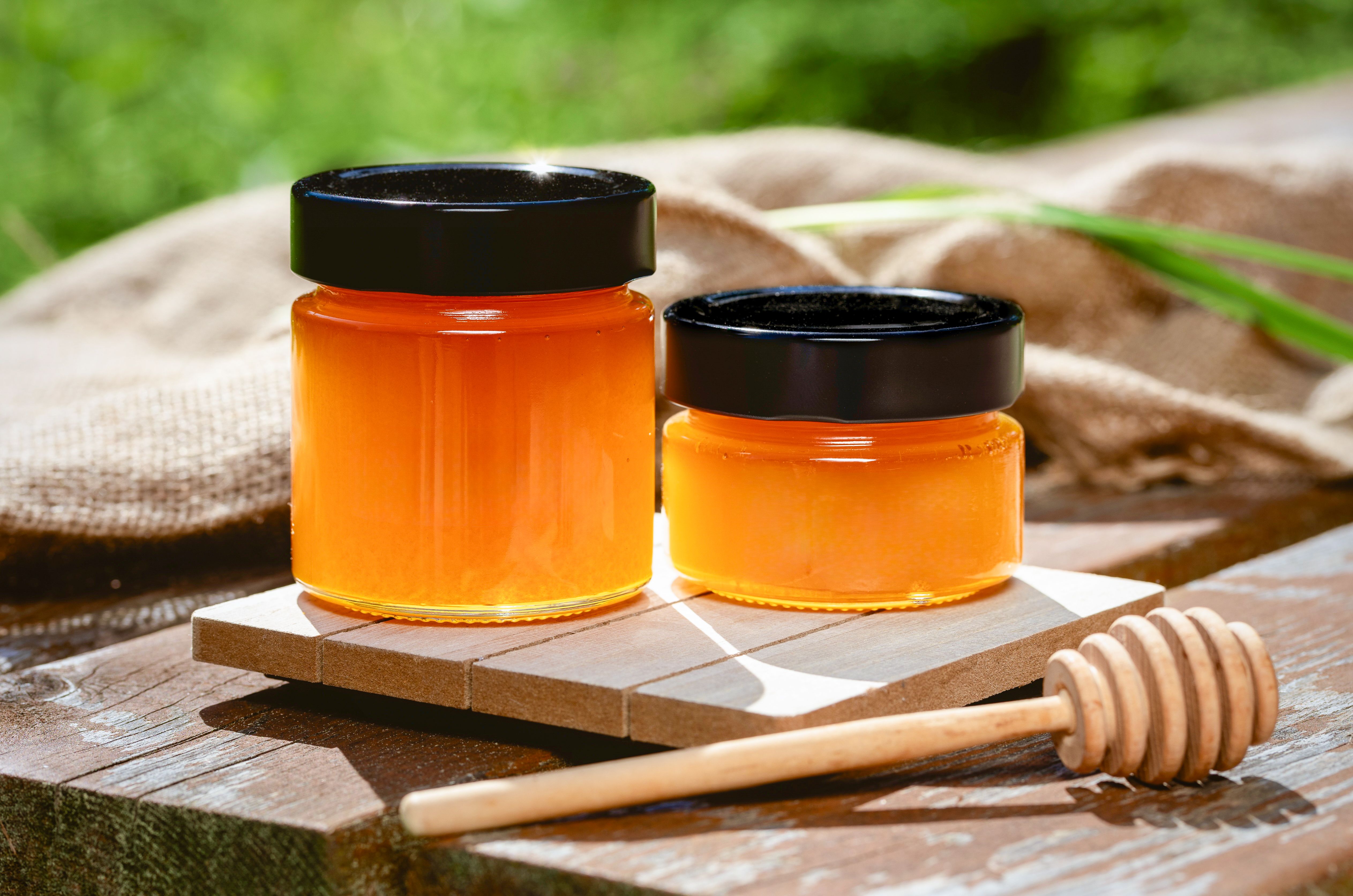
Bottling is the final step, where the honey is carefully poured into jars, ready to be enjoyed. The Grange prides itself on sustainable practices, using eco-friendly packaging to minimize environmental impact.
The Benefits of Honey
Honey is not just a delicious treat; it also boasts numerous health benefits. It is known for its antibacterial properties, making it a natural remedy for sore throats and skin irritations. Additionally, honey is rich in antioxidants, supporting overall health and wellness.
- Natural Sweetener
- Antibacterial Properties
- Rich in Antioxidants
- Energy Booster
These benefits make honey a valuable addition to any diet, offering a natural alternative to processed sugars.
Supporting Biodiversity
The Grange is committed to supporting biodiversity through sustainable beekeeping practices. By maintaining healthy bee populations, they contribute to the pollination of local flora, promoting ecological balance. This dedication ensures that future generations can continue to enjoy the sweet rewards of honey.
In conclusion, the production of honey at The Grange is a testament to the harmonious relationship between humans and nature. From the diligent work of bees to the careful handling by beekeepers, every step of the process is infused with passion and respect. Next time you enjoy a spoonful of honey, remember the sweet secrets and hard work that brought it to your table.