How to Choose the Best Honey in Lagrange, GA: A Local's Guide


Understanding Honey Varieties
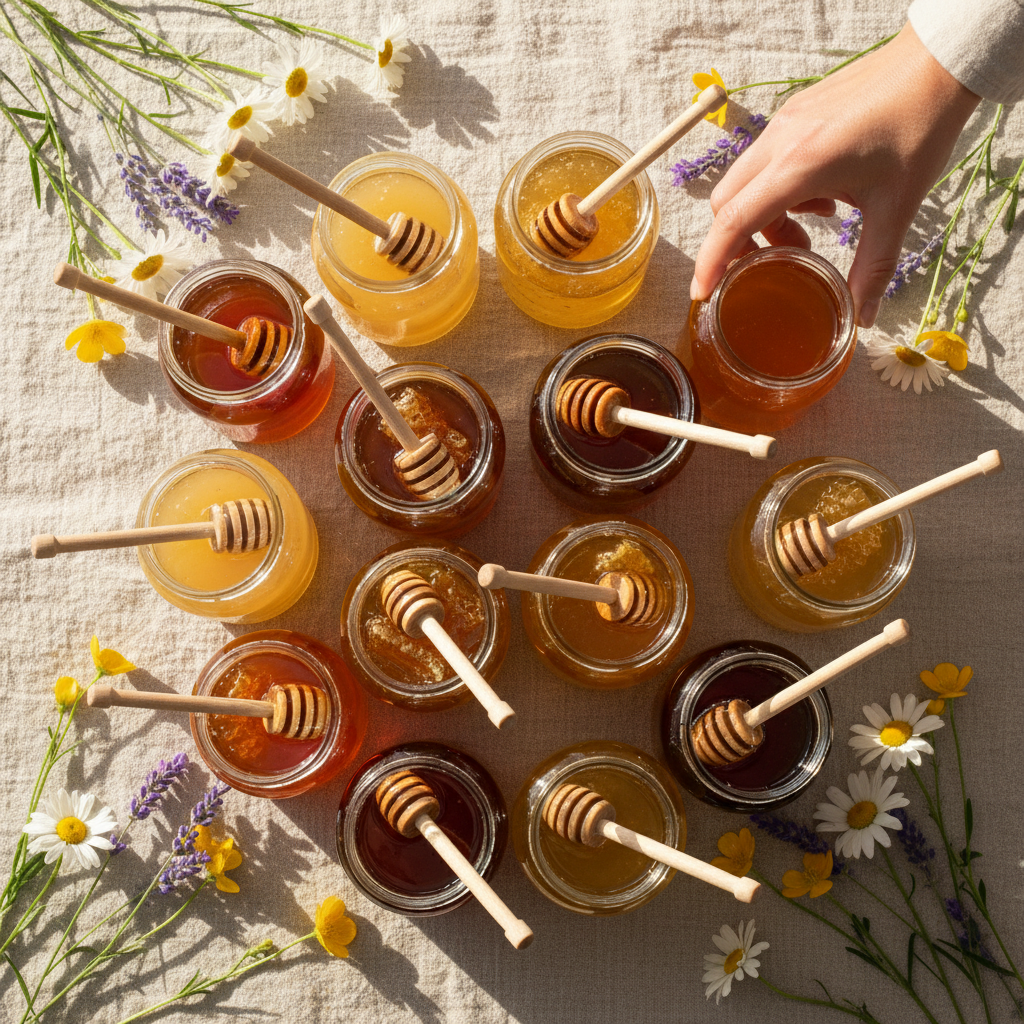
When it comes to selecting the best honey in Lagrange, GA, understanding the different varieties is key. Honey can vary in flavor, color, and texture depending on the flowers from which the bees collect nectar. Common types include wildflower, clover, and tupelo honey. Each has its own unique taste profile, making it essential to know your preferences.
Local Honey Producers
Lagrange is home to several local honey producers who pride themselves on quality and sustainability. Buying from these local producers not only supports the community but also ensures that you’re getting raw, unprocessed honey. Look for honey sold at local farmers' markets or roadside stands, where you can often sample before you buy.
Reading Labels and Certifications
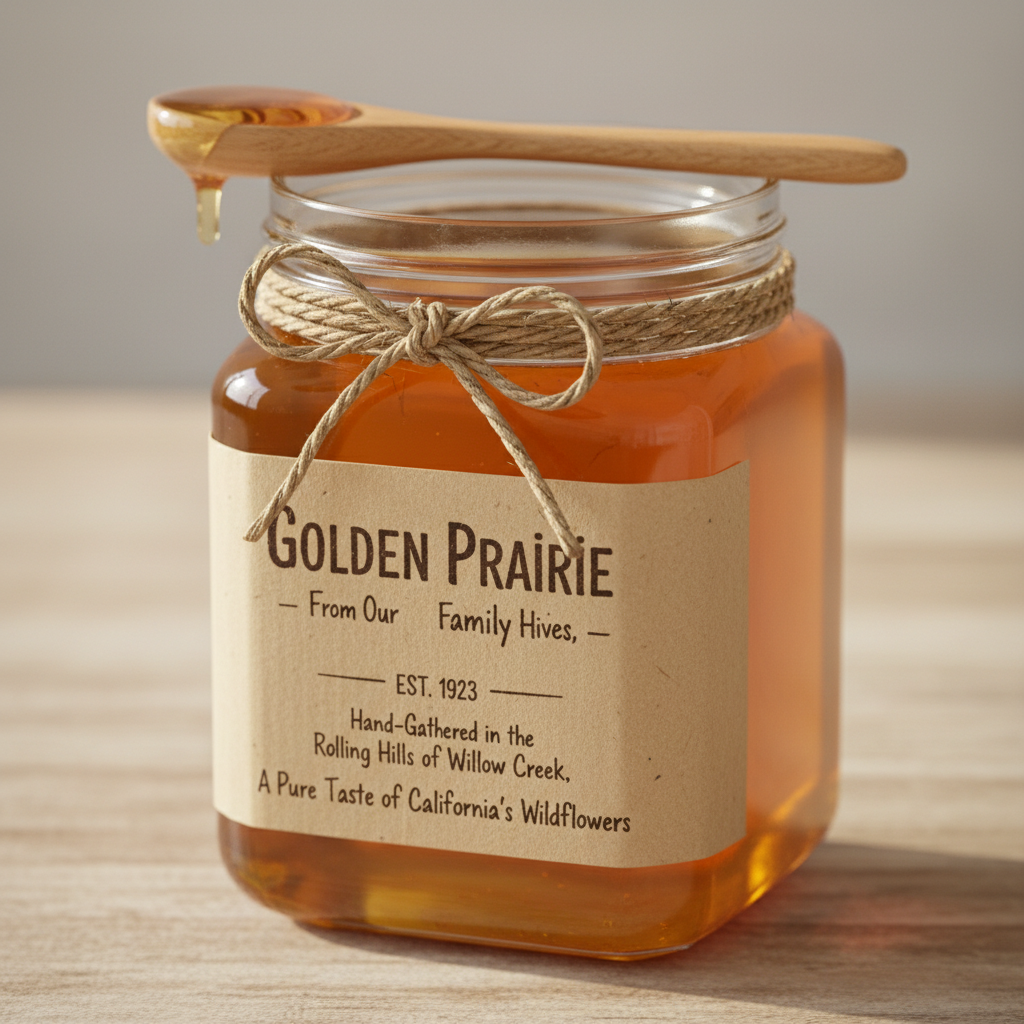
When purchasing honey, always check the label for important information. Look for terms like “pure,” “raw,” and “unfiltered.” These indicate that the honey is minimally processed and retains its natural enzymes and nutrients. Certifications from local agricultural boards can also assure quality and authenticity.
Consider Seasonal Availability
Honey availability can be seasonal, depending on the types of flowers blooming in the area. Spring and summer are prime seasons for honey production in Lagrange, offering a wider variety of fresh options. Keep this in mind when planning your purchase, as certain types of honey may not be available year-round.
Sampling and Tasting
Sampling different honeys is a great way to discover your favorite. Many local producers offer tastings, allowing you to experience the diverse flavors. Pay attention to the texture, aroma, and aftertaste, as these can vary significantly from one type of honey to another.

Understanding the Health Benefits
Honey is not just a sweet treat; it’s also known for its health benefits. Rich in antioxidants and with natural antibacterial properties, honey can be a healthy addition to your diet. Local honey is often recommended for alleviating seasonal allergies, as it contains pollen from your area.
Price Considerations
While local honey might be slightly more expensive than mass-produced varieties, the quality and benefits often justify the cost. When purchasing, consider the value of supporting local farmers and the superior quality you’re getting in return.
Storing Your Honey
Proper storage is crucial to maintaining honey’s quality. Store it in a cool, dry place away from direct sunlight. Honey never spoils, but over time it may crystallize. If this happens, gently warm the jar in a pot of hot water to return it to its liquid state.